
A gas water heater is a fairly simple machine, which is part of why it lasts. A burner under the tank heats the water, exhaust rises through a flue that runs up the center of the tank, and a gas control valve on the front acts as both thermostat and safety shutoff. That valve only lets gas reach the burner while it senses a flame, through a thermocouple on standing-pilot models or a flame sensor on electronic ignition models. When something goes wrong, it is usually at one of those points. In Chapel Hill, NC, we regularly find thermocouples that no longer hold the valve open, pilots starved by a lint-clogged flame arrestor screen, gas valves that have failed internally, and flue or vent problems that let exhaust spill back into the room.
Every gas water heater call starts with safety and then moves to testing. If you ever smell gas, leave the home first, call the gas utility from outside, and do not operate switches or try to relight anything. Once the area is safe, our Chapel Hill technicians work through the heater systematically: millivolt readings on the thermocouple, a close look at the pilot and main burner flames, gas pressure at the control valve, a draft test to make sure exhaust is not spilling back, and a CO check around the appliance. Scorch marks at the burner access, rust flakes on the burner, and a lazy yellow flame each point to a different problem, and we chase down the right one.
The fix is usually straightforward once the cause is known. A new thermocouple or flame sensor, a cleaned pilot tube and burner, a cleared flame arrestor screen, or a replacement gas control valve gets most heaters running again the same day. Vent problems, like a disconnected connector or a flue pipe without enough rise, are corrected on the spot. If sediment is rumbling in the tank, we flush it, and if the anode rod is spent, we can replace it. When replacement is the smarter move, we install new gas heaters sized to your household's first-hour demand, with proper atmospheric, power vent, or direct vent venting, a drip leg on the gas supply, and the expansion tank, drain pan, and strapping your local code calls for. Need a gas water heater fixed in Chapel Hill? Call (984) 273-8652 today.
What homeowners call us about most is Water Heater Repair in Chapel Hill and Water Heater Installation in Chapel Hill. Start there if you're not sure what you need.
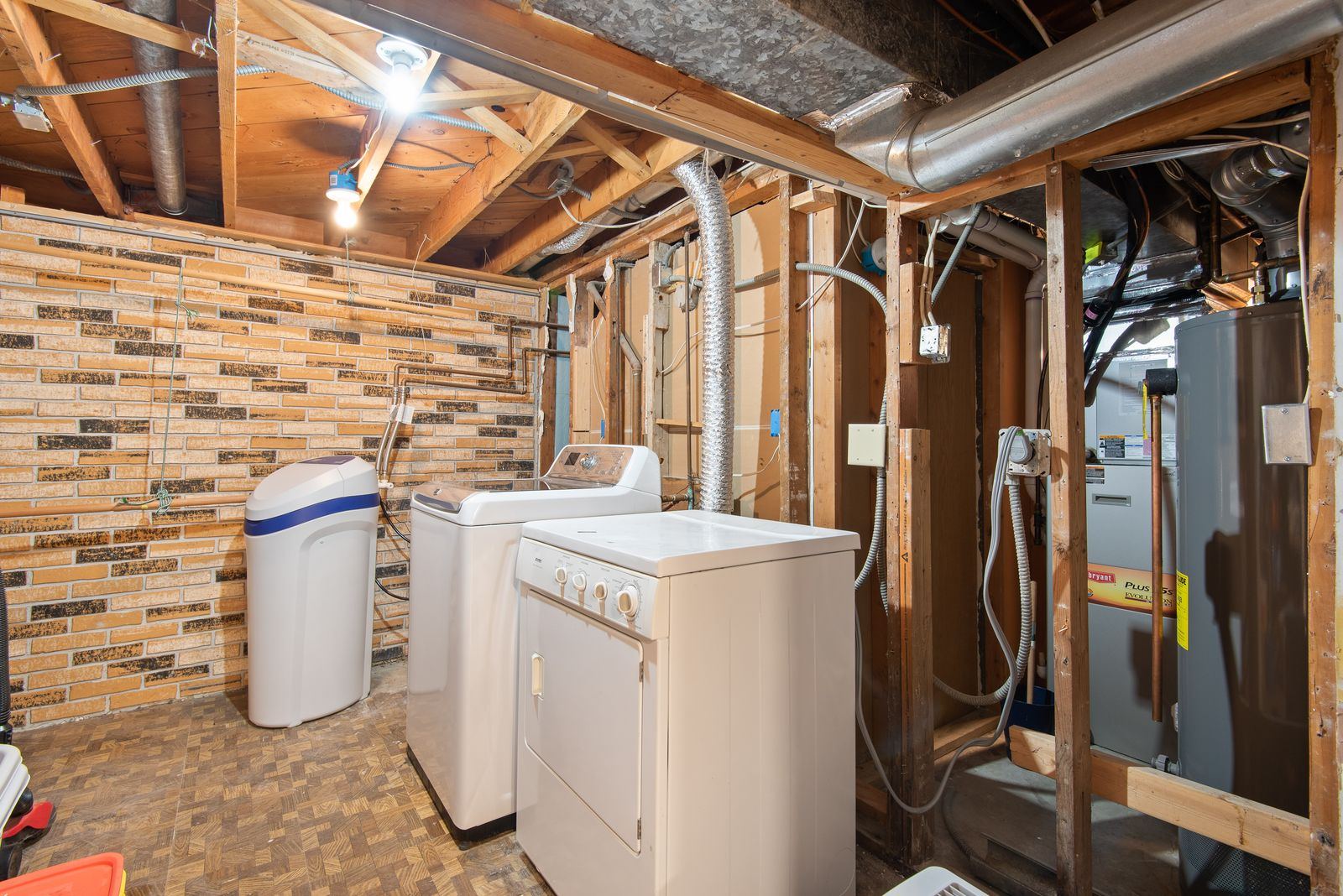
Signs You Need Gas Water Heater Services in Chapel Hill
Most tanks announce trouble weeks or months ahead with rumbling noises, rusty water, or hot showers that keep getting shorter. These are the red flags our technicians see most often before a breakdown:
- Hot water that runs out faster than it used to
- Soot or scorch marks around the burner access door
- A tank that pops and bangs while it heats, a classic sign of sediment
- Pilot outages that keep coming back after a relight
- Rust-colored hot water or rust streaks on the tank
- A silent heater with no flame and no hot water
- A rotten-egg odor near the water heater, in which case get out and call the gas company first
- A vent pipe that has separated, rusted, or left scorch marks near the top of the heater
Early Action Saves Money
Left alone, even minor symptoms like rumbling or temperatures that swing from hot to warm tend to mean the heater is working its way toward a breakdown. A quick call to (984) 273-8652 gets a technician out to check it before it becomes an emergency.
Frequently Asked Questions About Gas Water Heater Services
Why Hire a Professional for Gas Water Heater Services?
Gas water heaters are among the riskiest appliances to work on without training, because the biggest hazards are invisible. A fitting that is almost tight can seep gas for days before anyone notices. A vent connector that has lost its slope, or a flue partly blocked by debris, can let carbon monoxide spill into the house every time the burner fires, with no smell to warn you. Gas valve and heater replacements also typically require a permit and an inspection. Relighting a pilot by following the label is something most homeowners can do; almost everything past that deserves a technician.
Professional service gets you a correct answer and a safe appliance. Instead of trial and error, we confirm thermocouple output, gas pressure, burner flame, and draft with proper tools. Every gas connection we make is tested for leaks before we leave, and vent connectors are secured with the right slope and clearances. When a replacement is needed, we size the new heater by first-hour rating, handle the permit where one is required, and add the expansion tank, sediment trap, drain pan, or seismic straps your home needs. You end up with hot water and peace of mind.
Our Gas Water Heater Services Process
Every visit follows a step-by-step method built around testing first and replacing parts only when the readings call for it. Here's what you can expect when you choose Chapel Hill Water Heater:
Find the Real Fault
We start with a leak check and a carbon monoxide reading. Then we measure thermocouple output, inspect the pilot and burner, read gas pressure, and test the vent's draft.
Clear Answers & Upfront Price
We show you what failed, explain why, and quote a firm price up front. If the tank is leaking or near the end of its life, we tell you so.
Expert Repair or Replacement
Thermocouples, flame sensors, pilot assemblies, and gas valves are usually replaced on the spot. For replacements, we install a correctly sized heater with proper venting and code items.
Full Safety Test
Before we pack up, the heater runs a full cycle while we test gas connections, confirm draft at the hood, and check that the thermostat and safeties respond.
Questions About Gas Water Heater Services?
Call Chapel Hill Water Heater to talk through your situation with an experienced technician.
Call (984) 273-8652 NowSimple Ways to Extend Your Water Heater's Life
A few preventive steps can help you avoid a cold shower or a wet floor down the road. Here's where to begin:
- Have the anode rod inspected every few years and replaced when it is worn
- Make sure your home has CO alarms that work, especially with gas appliances
- Flush the tank on a regular schedule so sediment never bakes onto the bottom
- Check that the vent connector is secure and rising toward the chimney or flue
- Keep the thermostat around 120 degrees to save energy and reduce scalding risk
- Clean dust from around the base so the burner gets plenty of combustion air
- Keep the area around the heater clear, especially of gasoline, paint, and solvents
Doing It Yourself vs. Hiring a Technician
Relighting a pilot by following the label is one thing. Diagnosing a gas valve, a burned-out element, a dirty flame sensor, or a tankless error code calls for meters and know-how that a pro brings. Consider the following comparison:
| Factor | Doing It Yourself | Professional Service |
|---|---|---|
| Finding the Fault | Replace the thermocouple and hope | Millivolt, pressure, and draft tests find the cause |
| Gas Leaks | Risk of a slow leak you cannot see | Gas piping verified tight and sound |
| Exhaust Safety | Draft and spillage go untested | Vent secured with proper slope and clearance |
| Code Compliance | Local code items easy to miss | Code items installed as required |
| Sediment & Tank Care | Sediment left to bake on the bottom | Honest read on the tank's remaining life |
| Result | Temporary fix at best | Lasting repair, confirmed by testing |
Talk to Our Gas Water Heater Services Team
Get your hot water back before a small fault turns into a flooded floor. Chapel Hill Water Heater is ready to respond fast.
Call (984) 273-8652 TodayWhere We Provide Gas Water Heater Services
Wherever you are in the area, the same experienced team shows up with the same parts and the same pricing. Find your community below.