
A tankless water heater takes a different approach: instead of keeping 40 or 50 gallons hot around the clock, it heats water only while a tap is open. Flow through the unit trips a sensor, a powerful burner or electric element fires, and the water is heated as it passes through a compact heat exchanger. The upside is significant: no standby heat loss, hot water that does not run out during back-to-back showers, a wall-mounted unit that frees up floor space, and a service life that often reaches twenty years with maintenance. For plenty of Chapel Hill, NC households, that makes tankless a smart upgrade.
A good tankless install starts with math, not tools. We total your peak demand in gallons per minute, such as a shower, a kitchen sink, and the dishwasher at once, and compare it against the temperature rise your incoming water needs in winter. That tells us the real capacity you need. Next we check the supply side. Gas tankless units fire at very high input, so a half-inch line that fed an old tank is often too small. Condensing models vent through PVC or polypropylene and need a condensate drain, while non-condensing units need stainless steel venting. Electric models are their own case, often needing multiple large breakers and sometimes a service upgrade.
When we install a tankless heater, we build it to be serviced. That means isolation valves for descaling, a gas line with a sediment trap sized for the burner's full demand, venting that meets the manufacturer's rules for length and termination, and a condensate line with a neutralizer on condensing models. Where water hardness is high, we explain scale protection options before the unit goes on the wall. Optional recirculation can shorten the wait at distant fixtures. We handle permits where required, test the unit at full flow, and show you how it works. Homeowners in Chapel Hill can call (984) 273-8652 for a demand assessment and a clear quote.
What homeowners call us about most is Water Heater Installation in Chapel Hill. Start there if you're not sure what you need.
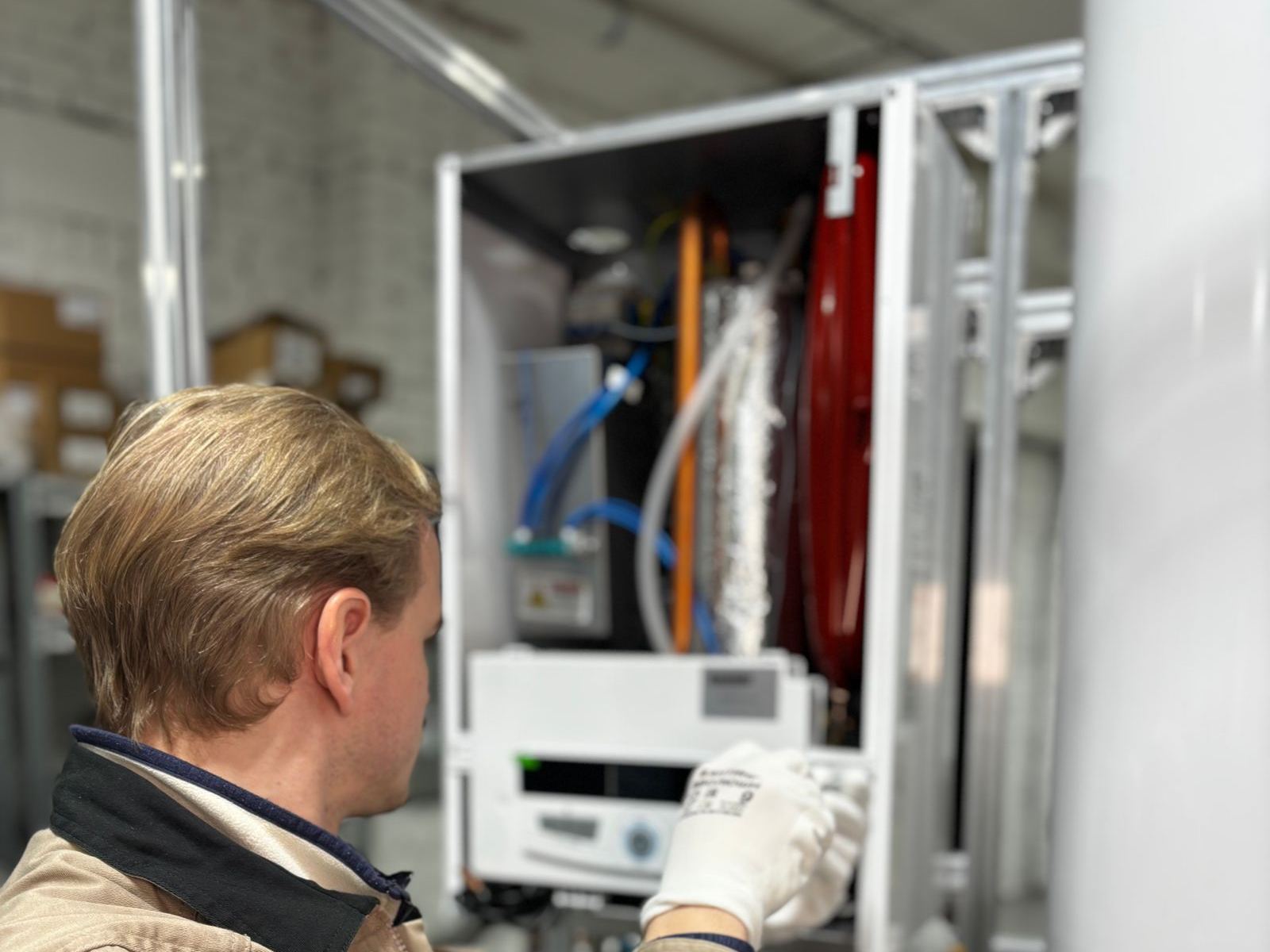
How to Tell Something Is Wrong
Catching a symptom early is often the difference between a quick part swap and a tank that gives out on the garage floor. If any of the following sound familiar, it's worth having the unit checked:
- Construction or remodeling that opens walls and simplifies the install
- Preferring a heater that can be repaired and maintained instead of replaced every decade
- A tank water heater that is ten years old or more and due for replacement
- A utility area where a bulky tank takes up room you would rather use
- Paying to keep a full tank hot even when no one is home
- Adding a bathroom, soaking tub, or larger shower that needs more hot water
- An addition or guest suite that is a long run from the main heater
- Showers turning lukewarm before everyone gets a turn
Don't Wait for a Total Failure
Tanks rarely fail all at once. They corrode from the inside for months, and the warning signs show up long before the floor gets wet. A quick call to (984) 273-8652 gets a technician out to check it before it becomes an emergency.
No Hot Water? We Can Help.
Our experienced technicians are standing by to help.
Call (984) 273-8652 NowFrequently Asked Questions About Tankless Water Heater Installation
What a Trained Technician Brings to the Job
Buying the right unit is the easy part. The other half is making sure your home can support it. Gas tankless burners can fire at close to 199,000 BTU, so the size of the gas line, the capacity of the meter, and the pressure at high fire all have to check out. Vent materials, lengths, and terminations are dictated by the manufacturer and local code, and condensing units add a condensate drain that should be neutralized. Electric whole-home units can pull more current than an older panel can deliver. Get any of these wrong, and the unit underperforms or becomes unsafe.
A professional install protects both performance and safety. We start with a real demand assessment, confirm the gas and electrical supply, and design venting that meets the manufacturer's requirements. The install includes service valves, a sediment trap, a correctly routed relief valve line, and a neutralized condensate drain where needed, followed by a full-flow test. Just as important, we tell you plainly if a tank, hybrid, or smaller point-of-use unit would serve you better. The goal is the right water heater, not just a tankless sale.
Step by Step: How a Visit Works
Good water heater work comes down to a consistent routine, and ours starts with a real diagnosis instead of a guess. Here's exactly how a typical visit unfolds:
Flow Rate & Temperature Rise
We total the fixtures you run at the same time in gallons per minute and factor in winter inlet temperature, so the unit never falls behind in winter.
Gas, Venting & Power Check
We confirm the gas line and meter can feed the burner's full BTU demand, plan the right venting, and check the panel for electric units before quoting.
Clean, Code-Minded Installation
The unit goes on the wall with service valves, a sediment trap on the gas line, correct vent pitch and termination, and a condensate neutralizer where needed.
Startup & Verification
Before we leave, the heater runs with multiple fixtures open while we verify gas pressure, venting, and outlet temperature, then we cover maintenance and settings.
How to Prevent Water Heater Problems
A little routine care goes a long way toward keeping a water heater running well past its expected lifespan. Here are our recommendations:
- Do not cut power to a unit in a cold space, since its freeze protection needs electricity
- Keep the inlet screen clear so flow stays strong and the unit fires reliably
- Plan on yearly descaling through the service valves, sooner if your water is hard
- If the unit shows a recurring code, note it and have it checked
- Hard water shortens tankless life, so ask about scale protection
- Set the temperature around 120F for safety and efficiency
- Check the vent cap outside for nests, debris, or buildup
Comparing DIY and Professional Work
Relighting a pilot by following the label is one thing. Diagnosing a gas valve, a burned-out element, a dirty flame sensor, or a tankless error code calls for meters and know-how that a pro brings. Consider the following comparison:
| Factor | DIY Attempt | Hiring a Pro |
|---|---|---|
| Capacity | Chosen by brand or price alone | Calculated for your coldest months |
| Gas Line | Old half-inch line reused regardless of load | Gas pressure tested at high fire |
| Exhaust | Old flue reused or wrong vent material | Correct vent type, length, and termination |
| Electrical | Wiring undersized for the load | Panel and circuits confirmed before install |
| Future Service | Hard water left unaddressed | Isolation valves installed for quick descaling |
| Result | Possible warranty and permit problems | Tested at full flow and set up to last |
Book a Visit Today
Get your hot water back before a small fault turns into a flooded floor. Chapel Hill Water Heater is ready to respond fast.
Get Help: (984) 273-8652Communities We Cover
We serve Chapel Hill and its neighboring towns for tankless water heater installation, from quick same-day repairs to planned installs.