
Most tank water heaters in Chapel Hill, NC last somewhere between eight and twelve years, and hard water, high pressure, and skipped maintenance can shorten that. The end usually announces itself in one of a few ways: a slow leak from the bottom of the tank, rusty hot water, rumbling that grows louder every month, or a supply that runs out sooner each winter. Nothing is clearer than a leak from the tank body. Once the glass lining fails and the steel rusts through, no part can fix it, and a tank that is weeping today can let go without warning tomorrow.
A new water heater should fit the way your household uses hot water today, not the way it did when the old one went in. That is why Chapel Hill Water Heater asks a few questions first: how many people shower in the morning, whether you fill a large tub, and how many bathrooms draw at once. Tank heaters are compared by first-hour rating, while tankless units are sized by gallons per minute at the temperature rise needed in the coldest months. For a heat pump model, we check space and airflow, because it draws its heat from the surrounding room. Gas line, vent, and panel capacity are all confirmed ahead of time, so installation day holds no surprises.
On installation day, nothing is left to guesswork. The old heater is drained and carried out, the new one is set level, and fresh supply connectors and a working shutoff go in. Gas units get a leak-tested connection with a sediment trap and venting that meets the manufacturer's spec. The relief valve discharge goes where it should, and we add an expansion tank, drain pan, or earthquake straps wherever local code requires them, including the permit if one applies. After that, we fill and purge the tank, check draft and carbon monoxide on gas models, and set the temperature to a safe level. Call (984) 273-8652 to book your replacement in Chapel Hill.
Newer unit that just stopped heating? See Water Heater Repair in Chapel Hill and Water Heater Installation in Chapel Hill.
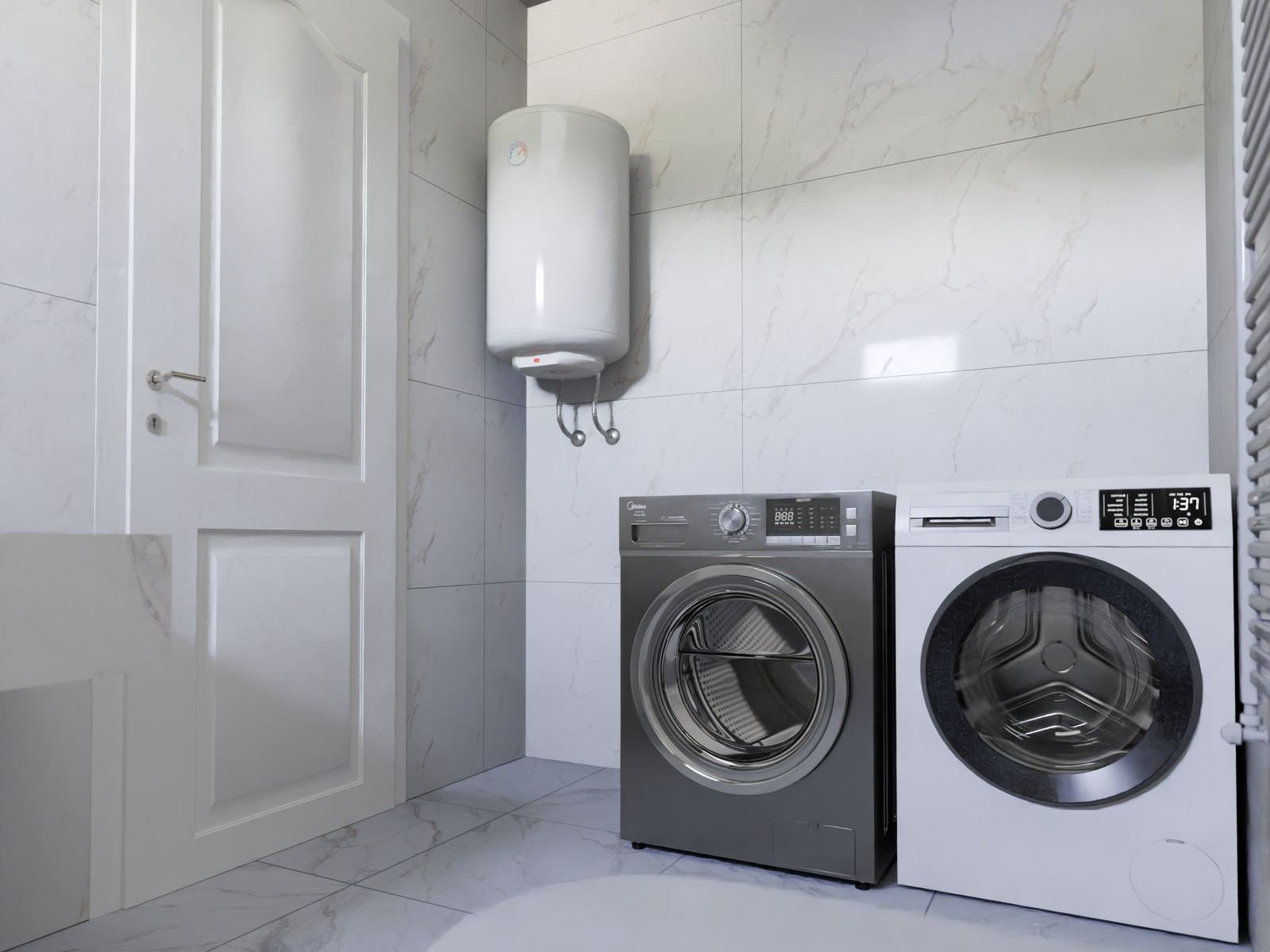
How Much Does Water Heater Replacement Cost in Chapel Hill?
A standard gas or electric tank replacement in Chapel Hill typically runs $1,100 to $2,800, installed. Tankless and heat pump models cost more up front, and code items like expansion tanks or venting changes can add to the total. You'll get a written, upfront price from Chapel Hill Water Heater after we see your installation.
| Option | Typical cost | What it usually means |
|---|---|---|
| 40–50 gal gas tankStandard atmospheric vent; power-vent models cost more | $1,400–$2,800 | The most common swap; venting and gas connection included |
| 40–50 gal electric tankSimplest replacement when the circuit is already correct | $1,100–$2,400 | Simplest replacement when the circuit is already correct |
| Tankless gasContinuous hot water; upper end includes gas and vent upgrades | $2,800–$5,500 | Often needs a larger gas line and new venting |
| Tankless electricWhole-house units may need an electrical service upgrade | $1,500–$3,500 | Heavy electrical load; panel capacity checked first |
| Heat pump / hybridBefore rebates; needs space, airflow, and a condensate drain | $2,800–$5,000 | Lower running cost; rebate amounts vary by utility |
| Expansion tank & code updatesAdded only when your home or local code calls for it | $150–$800 | Expansion tank, drain pan, straps, or permit where required |
Typical installed ranges. Your exact price is quoted after we see the space, venting and hookups.
What Moves the Cost Up or Down
- Fuel type, tank or tankless, and the capacity your household needs
- Gas line sizing, vent changes, or new circuits required by the new heater
- Code items your home needs, such as an expansion tank, drain pan, straps, or permit
- How hard the old heater is to remove and the new one to set in place
We always compare against a repair when the tank is still sound, so you can decide with real numbers. Call (984) 273-8652 to get a firm quote for your home.
Warning Signs to Watch For
Recognizing the warning signs early can save you money and keep a slow drip from turning into a flooded utility room. These are the red flags our technicians see most often before a breakdown:
- Hot water running out faster every month
- Energy bills rising while hot water gets harder to come by
- Sediment noise that keeps getting louder
- Rust-colored hot water while the cold stays clear
- Repeated service calls on the same aging heater
- Rust flaking from the tank jacket or its connections
- Water leaking from the bottom or body of the tank
- A tank at or past the eight-to-twelve-year mark
Don't Wait for a Total Failure
A little rust-colored water or a relief valve that drips now and then can be the first hint of a tank that is close to the end. If you notice any of these signs, contact Chapel Hill Water Heater at (984) 273-8652 for a prompt inspection.
Talk to Us About Water Heater Replacement
Call Chapel Hill Water Heater for fast, reliable service.
Get Help: (984) 273-8652Frequently Asked Questions About Water Heater Replacement
The Benefits of Professional Water Heater Replacement
Swapping a water heater looks simple until you count the connections. A gas unit needs a leak-free gas connection with a sediment trap, a vent that is sized and pitched correctly so carbon monoxide goes outside, and combustion air it can actually reach. Electric units need a breaker and circuit that match the element wattage. Every tank needs a correctly rated relief valve with a discharge pipe routed to a safe spot, and many homes also need an expansion tank, a drain pan, or seismic straps under local code. Going tankless or switching to a heat pump adds even more: bigger gas lines, different vent materials, dedicated circuits, and condensate drains.
A professional replacement handles every one of those details once. Our experienced technicians size the heater to your household, verify the gas line, vent, and electrical service, and install whatever code items apply. Before leaving, we leak-test, verify draft and carbon monoxide on gas units, and set a safe temperature. It is what separates a heater that runs quietly for years from one that has problems from the start. And when a repair would give your current tank several more good years, we say so instead of selling you a new one.
From Your Call to Hot Water
Every visit follows a step-by-step method built around testing first and replacing parts only when the readings call for it. Here's a look at each step our team takes:
Assessment & Sizing
We date the old tank, check the gas line, venting, electrical, and water pressure, and size the new heater to your household using first-hour rating or flow rate.
Honest Options & Quote
Nothing happens without your approval. We lay out the choices, what each costs to buy and run, and one firm price with the code items included.
Clean Removal & Install
Most swaps are finished in a day. We remove the old unit, set the new one, and handle the gas, water, venting, and electrical connections to code.
Testing Before We Leave
The install is proven, not assumed. We watch the heater run a full heating cycle, check for leaks and proper venting, and show you the shutoff, the relief valve, and the settings.
Questions About Water Heater Replacement?
Our technicians can assess your water heater and recommend the option that actually makes sense.
Call (984) 273-8652 NowWater Heater Care Tips From Our Technicians
A few simple habits, like an annual flush and a quick look at the relief valve, can add years to a tank. Put these technician-approved steps to work at home:
- Inspect the anode rod every few years; replacing it can add years to the tank
- Plan ahead: knowing the heater's age lets you replace it on your schedule, not after a leak
- Flush the new tank once or twice a year to keep sediment from building up
- Heat pump units need a clean filter and open airflow to run efficiently
- Make sure an expansion tank is in place if your home has a closed plumbing system
- Descale a tankless unit every year, or more often with hard water
- Set the thermostat around 120 degrees to prevent scalding and reduce wear
Comparing DIY and Professional Work
A few tasks, like checking the temperature setting or lifting the relief valve lever to test it, are fine for homeowners, but most water heater work involves gas lines, venting, 240-volt circuits, or a tank full of scalding water, and that belongs with a professional. Here's a comparison:
| Factor | Doing It Yourself | Professional Service |
|---|---|---|
| Sizing | Matching the old label | Sized to how you use hot water |
| Venting | Gas and vent work with no testing | Leak-tested gas, verified draft |
| Code Items | Missing straps, pan, or expansion tank | Built to local code, permit handled |
| T&P Discharge | Discharge pipe undersized or capped | Correctly rated valve, safe discharge |
| Heavy Lifting | Draining and hauling a heavy tank | Old heater drained and hauled away |
| Outcome | Works, maybe not to code | Verified over a full heating cycle |
Get Water Heater Replacement Help Today
Cold showers and damp floors don't get better on their own. Chapel Hill Water Heater can have a technician headed your way soon.
Call (984) 273-8652 NowAreas We Serve for Water Heater Replacement
We bring water heater replacement to homes and businesses in town and across the nearby communities. Pick your area to see local details.